Veranstaltungreihe "Rassismus entgegentreten! Mit interaktiven Methoden politischer Bildungsarbeit"

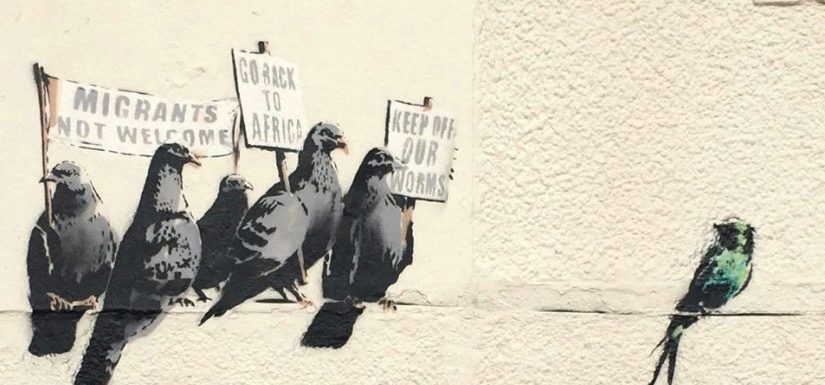
The ongoing migration to Europe and Germany poses many challenges to our societies, inspecially to civil society actors. A lot of initiatives, that have been supporting the large number of refugees arriving here since the summer of 2015, are working at the limits of their capacities. At the same time AfD, Pegida and Co. are blatantly expressing racist attitudes, which have become more and more socially accepted – showing that these attitudes are not just articulated by a small ring-wing minority, but rooted in the middle of society. Thus, a critique of racism and xenophobia, that’s present in daily life, is more urgently required thanWeiterlesen
migration & inclusion training course 2016

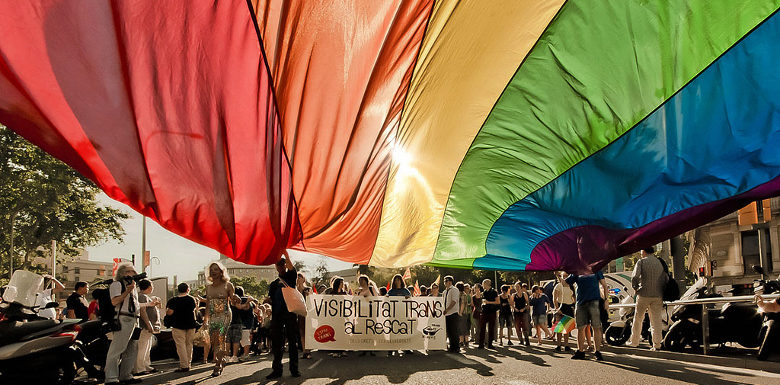
About the project Migration – and especially the situation of refugees – is one of the main topics in public opinion all over Europe. Images of shipwrecked people dying or being rescued in the Mediterranean, people crossing borders in the Balkan countries or trying to cross the channel-tunnel to Britain are day by day in the news. Millions of people worldwide are on the move as a result of war, discrimination, social inequality and economic deprival in the hope to find a better future elsewhere. But there is still no clear European strategy helping to deal with the problems faced by those people, except forWeiterlesen

Willkommenskulturen stärken

In the previous months a lot of citizens got actively involved in supporting refugees who just arrived here in Berlin. But not all supporters already have lots of experience in working with refugees. Sometimes irritations and unintentionally difficult situations occur. Experience in dealing with people, who are often traumatized by war, expulsion and flight, and a critical awareness of racist stereotypes and structures in our society and our own thinking are of great significance for working with migrants. This six-part series of seminars, that took place from September to November 2015, was addressed to people who work with migrants and refugees or who want toWeiterlesen

Berlin Wall

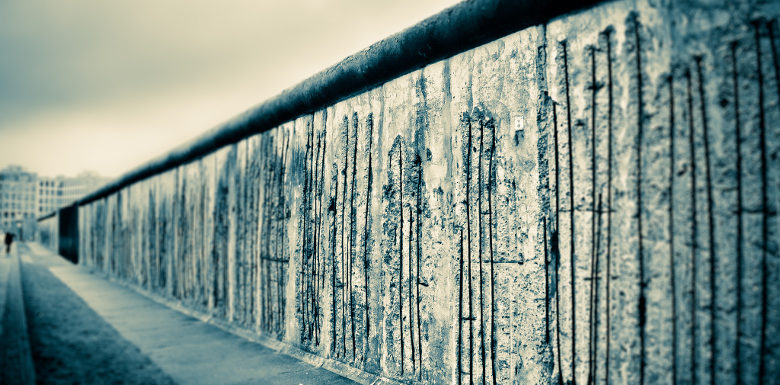
25 years after the division of Europe and the cold war, Berlin is still a central place of remembrance. This training took place in the week of the 25. anniversary of the Fall of the Berlin Wall on November 9th 2014. So we had the chance to visit lots of interesting events in Berlin on this topic and to take a closer and critical look at the culture of remembrance regarding the East/West history in Germany: Which pedagogical models are adapted in this places of remembrance and events? How is history imparted and communicated? Which perspectives and interpretations are dominant? Which perspectives stay hidden? AndWeiterlesen

The European funding program Erasmus+ provides many opportunities for funding and implementing transnational projects in the fields of education, culture, youth and sports. Erasmus+ incorporates previously separated European programs like Grundtvig, Leonardo, Youth in Action and Comenius and Sports. By means of a modular conveying system fundings within the Erasmus+ framework can be better adjusted to the special requirements of the projects. In different workshops we pointed out the opportunities Erasmus+ is offering especially for small and medium-sized organizations. To gain and improve knowledge about processes of transnational project development should enable the participants to take first steps towards the realisation of concrete project ideas.Weiterlesen

Solar e.V. organized a seminar about intercultural issues from 7.-16.2.2014 in Berlin. All the participants in the training were from the partner organizations in Germany, Finland, Ireland, Italy, Portugal, Romania and Turkey. One of the topics was to learn from other countries and cultures and as well plan future activities and projects with each other. The seminar included excursions to different organizations in Berlin which work in the field of intercultural issues and social development. We had also lectures about the anthropological side of transcultural theories and we tried out different kinds of educational methods about intercultural interaction. The variety of different cultures in ourWeiterlesen